
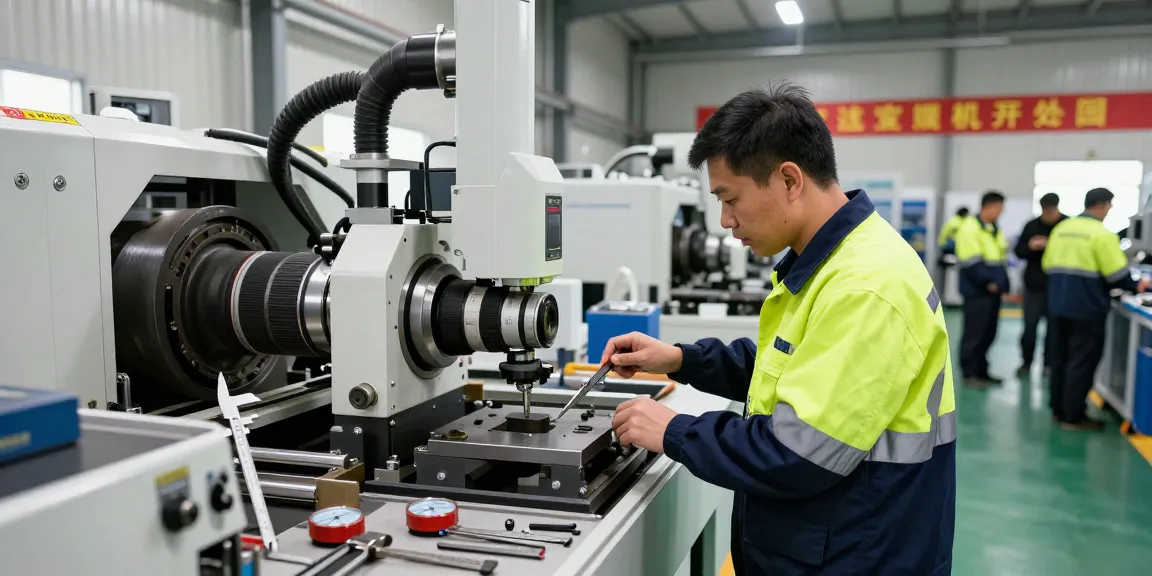
Understanding Depo 5000: What You Need to Know
Depo 5000 is a versatile and advanced solution designed for the manufacturing sector, particularly for applications requiring high-performance lubricants. As industries strive for efficiency and cost-effectiveness, understanding the nuances of products like depo 5000 becomes crucial for operational improvement. In this article, we will delve deep into what Depo 5000 is, its benefits, applications, and the best practices for implementation in a manufacturing context.
What is Depo 5000?
Depo 5000 is a synthetic lubricant formulated to provide superior performance in various industrial applications. Its unique composition allows it to reduce friction and wear, which is essential for prolonging the lifespan of machinery. The product is designed to perform well under extreme conditions, making it suitable for a vast range of manufacturing processes.
Key Benefits of Using Depo 5000
- Enhanced Lubrication: Depo 5000 offers exceptional lubrication that minimizes wear and tear on machinery, which leads to reduced maintenance costs over time.
- Temperature Resistance: This lubricant maintains its viscosity and effectiveness, even at high operational temperatures, ensuring reliable performance.
- Compatibility: Depo 5000 is compatible with a wide variety of materials and equipment, allowing for seamless integration into existing systems.
- Environmental Considerations: Many variants of Depo 5000 are formulated to be environmentally friendly, reducing the ecological footprint of manufacturing processes.
Common Applications in Manufacturing
Depo 5000 is used across various sectors, including automotive, aerospace, and heavy equipment manufacturing. Its applications range from engine lubrication to gear systems and hydraulic operations, showcasing its versatility. Moreover, its ability to perform under high load conditions makes it a preferred choice for industries that rely heavily on machinery.
Best Practices for Implementing Depo 5000
Preparation and Setup for Optimal Results
To effectively implement Depo 5000, it’s vital to prepare and set up the machinery properly. This includes cleaning existing components to remove any previous lubricants that might interfere with the effectiveness of Depo 5000. Ensuring that all parts are in good condition will maximize the benefits of this lubricant.
Safety Protocols When Using Depo 5000
Safety is paramount when handling lubricants like Depo 5000. Always consult the safety data sheet (SDS) provided by the manufacturer to understand the risks associated with handling the product. Proper personal protective equipment (PPE) should be worn, including gloves and safety goggles, to prevent any contact-related injuries.
Integrating Depo 5000 into Existing Systems
Integrating Depo 5000 into existing manufacturing systems requires careful planning. It is essential to evaluate the compatibility of the lubricant with current processes and machinery. Conducting a pilot test in a controlled environment can help assess its performance before fully transitioning.
Technical Specifications of Depo 5000
Detailed Composition and Features
Depo 5000’s composition includes a blend of synthetic base oils and advanced additive technology designed to enhance performance. The specific formulations may vary to address different industrial needs, including anti-wear agents, oxidation inhibitors, and foam suppressants.
Comparative Analysis with Other Products
When comparing Depo 5000 with competitor products, its superior temperature resistance and longevity often stand out. While other lubricants may require frequent application, Depo 5000 is engineered for extended service intervals, which can translate into significant cost savings for businesses.
Performance Metrics and Standards
Depo 5000 meets and often exceeds industry standards for performance metrics, including viscosity, flash point, and pour point. These metrics are critical for ensuring that machinery operates smoothly and efficiently, which is why many manufacturers rely on Depo 5000 as a premier choice for lubrication.
Case Studies: Success Stories with Depo 5000
Industry Leaders Adopting Depo 5000
Several leading companies have successfully integrated Depo 5000 into their manufacturing processes. For instance, a major automotive manufacturer reported a 30% reduction in machinery downtime after transitioning to Depo 5000, highlighting its effectiveness in critical applications.
Real-World Improvements and Case Analyses
Case studies demonstrate that users of Depo 5000 frequently experience improved operational efficiency and cost reductions. In one notable analysis, a manufacturing plant observed a significant decrease in energy consumption due to enhanced lubrication properties, underscoring the product’s benefits.
Challenges Faced and Lessons Learned
While Depo 5000 offers numerous advantages, some companies faced challenges during the initial transition, such as the need for employee training on proper application techniques. Lessons learned from these experiences emphasize the importance of comprehensive training and understanding the specific needs of different machinery.
Future Trends: What’s Next for Depo 5000?
Emerging Technologies Impacting Depo 5000
As manufacturing technology evolves, so too will the formulations and applications of Depo 5000. Innovations in nanotechnology and smart lubricants are poised to enhance the performance and adaptability of this product, ensuring it remains at the forefront of industry standards.
Customer Expectations and Industry Innovations
Customers increasingly expect lubricants to deliver not just performance but also sustainability. Future iterations of Depo 5000 are likely to focus on eco-friendliness while maintaining the performance characteristics that make it a trusted choice among manufacturers.
Predictions for 2026 and Beyond
Looking ahead to 2026, the integration of Depo 5000 into advanced automated systems may become commonplace. As industries shift towards Industry 4.0 principles, the demand for lubricants that can optimize machinery performance in smart environments will grow, positioning Depo 5000 as a key player in this transition.
What is depo 5000 used for?
Depo 5000 is primarily used for lubrication in various machinery and manufacturing processes where minimizing friction and wear is essential for operational efficiency.
How does depo 5000 improve manufacturing processes?
By ensuring effective lubrication, depo 5000 helps in reducing downtime, lowering maintenance costs, and increasing the overall efficiency of machinery.
What are the safety measures with depo 5000?
Safety measures include wearing appropriate PPE, following the manufacturer’s safety data sheets, and conducting proper training for employees handling the product.
Can depo 5000 be used in all types of machinery?
While depo 5000 is highly versatile and compatible with many types of machinery, it’s essential to verify specific compatibility with the manufacturer before use.
What results can I expect after using depo 5000?
Users can expect improved machine performance, reduced wear and tear, lower operational costs, and enhanced overall efficiency in their manufacturing processes.
